

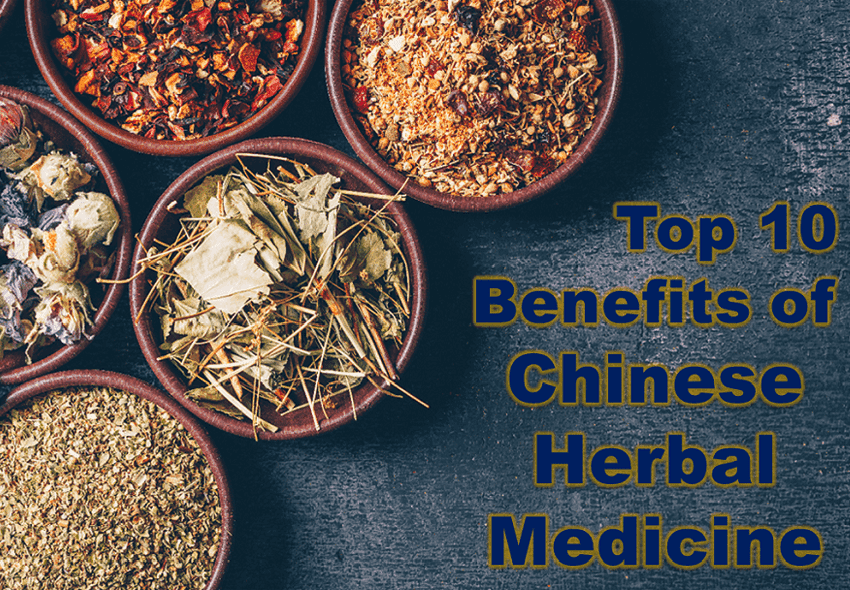
Traditional Chinese Herbs | Traditional Herbs | Herbal Herbs
What are the Traditional Chinese Herbs?
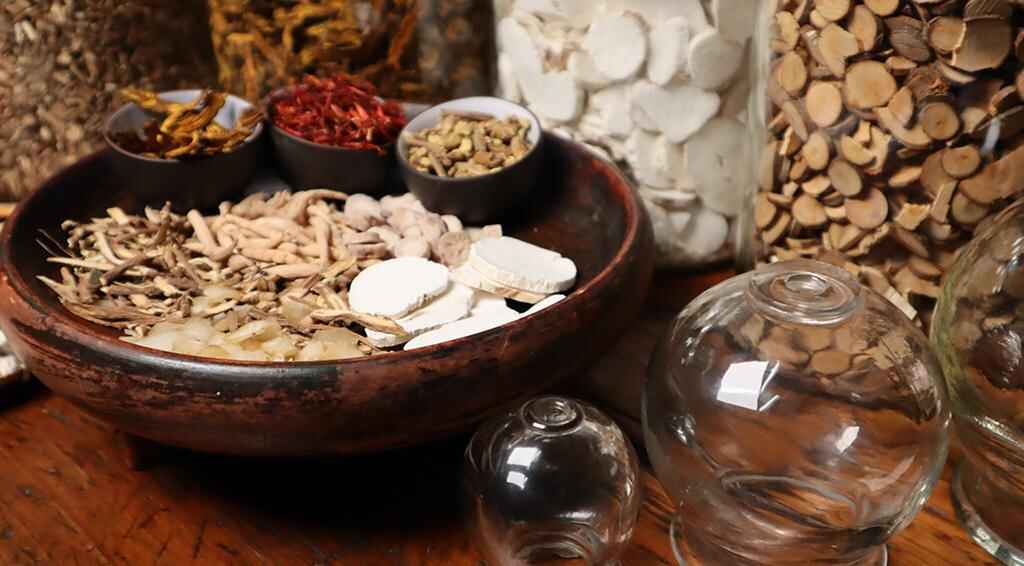
These phrases have referred to Chinese herbal
medicine, historically in the U.S. In order
to understand our remedies, we welcome you to view all
of the pages explaining our traditional Chinese herbs
and products.
Chinese herbology is a 4000+ year practice as far
as recorded history (between 2100 – 1700 B.C.)
goes. But in probability, Chinese herbal has been used
for as long as man has been in this region of the planet.
The use, most likely, dates back to the populating of
China. Given there is considerable argument here, we’ll
agree, its been a long time. In general the practice
of Chinese herbal fits very prominently in Chinese medicine
practices. In fact, if you specialize in this area alone,
you could be very busy and well known for helping a
lot of people. For your information, we will show its
prioritized position in Chinese medicine and explain
its application in this framework. The purpose of showing
this order is to encourage customers to view physical
conditions and their solution in a graduated process.
By living in our fast paced life-style with high stress,
long work hours, reduced family contact, fast food,
low nutrition, reduced energy, etc., our immune system
becomes extra challenged. It doesn’t happen over
night and thus care is recommended at the same pace
as the conditioned was entered. The exception occurs
when illness is urgent and life-threatening.
TAM (Traditional Asian Medicine) CARE
(Four Tiers of Asian Medicine)
- Food Therapy
- Herbal Therapy
- Exercise: Tai Chi & Qi Gong
- Acupuncture & Cupping
I. FOOD THERAPY
 |
"Let
food be thy medicine and medicine be thy food."
- Hippocrates circa 431 B.C. |
Traditional Asian Medicine first employs food as a
therapeutic tool. Why? Because we are very pre-occupied
with food. Our stomachs will let us know that we are
hungry, so most of us, unless we are imbalanced, will
eat 1-6 times per day unless food is not available.
Since we eat, its important to consider what we are
eating due to the fact food has a major influence on
the health of our bodies. If we drink pop, alcohol,
eat desserts, cheese, candy, red meat, bread, processed
foods, etc. then guess what happens to the body? It
clogs up and gains weight and we get sick. If we eat
vegetables, fruit, water, fish, then what happens? We
open up, lose weight to balance and leanness and we
can get well. The effective TAM practice will include
food therapy with the knowledge of what food works best
with a particular constitution. Ever heard of, “You
are what you eat”? What that means, is that certain
foods will definitely determine the cell quality in
the tissues of your body. Food, ideally, provides substance
to make energy from, benefitting the cells so they can
do their job. The more energy, the more capacity your
cells have to do their jobs. If they are obstructed
with poor choices, that fit your wants, then the result
will be illness. Foods that balance your ailing constitution,
are essential to re-establishing your health. Master
herbalists, sophisticated in this specialty, will recommend
this strategy in order to form a foundation for other
traditional Asian medicine. No matter what treatment
methodology, allopathic or naturopathic, healing can
be sabotaged, if food therapy is not seriously considered
in the remedial process. Therefore, food therapy is
critical to restoration of your health. Though food
is a more subtle remedy, its gradual nourishing effect,
has the power to restore, unnoticed, only because it
takes more time. Thus, when we get sick, it is difficult,
to connect the dots as to how we got in that condition.
II. Herbal Therapy
|
“There
are three categories of drugs; the lowest one
of which is poisonous, the second one is a little
poisonous, the highest one is no poison. The
lowest drug cures 6 out of 10 sicknesses, leaving
poisons in the patients. The middle one cures
7 out of 10 sicknesses, leaving a small amount
of poison. Even the highest medicine cure only
8 or 9 out of 10 sicknesses. The sicknesses
that medicine cannot cure can be cured only
by foods.” Nei Ching |
The next tier of traditional Asian medicine is herbal
therapy chosen because of its relevant affective strength
on the human body. Herbal therapy is applied to open
the channels with specific influence on the underlying
cause of imbalance and related symptoms. Comprehensive
knowledge of herbal medicine is necessary or harm may
be done. Herbal medicines have the same strength as
food except that it does impacts the body directly.
When reduced to an extract level which equals about
4-5 times the strength of the basic herbs, the effect
is quicker and stronger. Natural herbs do not heal any
better than synthetic medicines but they can help the
body to fight disease, strengthen the body's immune
system, and help to harmonize the body's functions.
After a master herbalist learns about individual herbs
then a herbalist will proceed to herbal formulas which
make a greater impact to energize, reduce or harmonize
more body parts in the healing process. Herb medicine
deserves respect because harm can occur if not applied
correctly. Though not as dangerous as synthetic medicines,
imbalances can occur if rendered inappropriately.
The 4 Natures, 5 Tastes, 4 Actions, and the
Meridian Attribution
These characteristics are found in food and herbs and
influence the body’s reception of the herb’s
medicinal qualities.
Four Natures of Herbs
The four natures of herbs are:
The "Nei Jing", an ancient book of Chinese
herb wisdom, says if the body
is cold, heat it; if the body is hot, cool it.
The herbs that are used to treat hot type dysfunction
are typically cold or cool. Herbs that are used to treat
cold type conditions are generally warm or hot in nature.
There are some herbs with a more subtle nature. They
are categorized as neutral in impact on the body. Essentially
every neutral herb may be deemed slightly warm or cool,
so we can refer to the basic four natures.
The Five Tastes of Herbs
|
spicy |
sour |
sweet
|
bitter
|
salty |
Herb tastes affect different body functions. Every
herb has its unique nature and taste. Herbs with the
same nature may have the same taste. Or herbs with their
similar tastes may have different natures. Therefore,
the study of tastes and natures can be very complicated.
The Nei Jing says:
- spicy and sweet tastes move fast
so they, characteristically, belong to yang constitution
type.
- Sour and bitter tastes move body
functions downwards so they reflect the yin body type.
- Salty taste moves energy downward
too, so it also is yin in quality.
- Bland (a subtle sweet taste) permeates
so it belongs to yang.
- Additionally spicy, sweet, and bland
attributes are distinctively yang.
- Sour, bitter, and salty attributes
are yin in their affect on the human body.
The Four Actions of Herbs
The four actions of herbs are:
|
Ascending |
Descending |
Floating |
Sinking |
These four actions are directly related to the human
body. The great Herbalist Li Dong-Yuan said, "herbs
have the properties of ascending, descending, floating
and sinking, transformation, giving birth, growth, harvesting,
storing, and completion". It so happens,
these same actions match up with the four seasons -
spring/ascends, summer/floats, autumn/harvests, winter/stores,
central earth/transforms.
- Herbs, whose taste are weak, will ascend and rise
(give birth).
- Herbs, whose natures are weak, will descend and
restrain (harvest).
- Herbs, whose natures are strong, will float and
grow.
- Herbs, whose taste are strong, will sink and store.
- Herbs, whose nature are neutral and tastes are
bland, will transform and complete.
Yang ascends, Yin descends, Yang floats, and Yin sinks.
Spicy, sweet, and bland have the yang characteristics
of the earth. Sour, bitter and salty have yin traits.
Yin and Yang descriptions aid the TAM practitioner relative
to understanding the affect a herb will have on the
body.
YANG characteristics
are related to:
- High Energy
- Light
- External
- Upper
- Hot
- Dry
- Excess
|
Yin attributes will
be associated with:
- Low energy
- Darkness
- Internal
- Lower
- Cold
- Wet
- Deficient
|
Additionlly, herbs that are light will usually ascend
or float and herbs that are heavy will usually sink
or descend. Flowers and leaves will float while seeds
or roots will descend or sink. Keep in mind that Chinese
Herb Medicine also includes the mineral and animal products,
which have their own properties.
The Meridian Attribution of Herbs
There are 12 channels in the human body. These clearly
defined channels are influenced by historically beneficial
herbs that are known to impact a specific channel. Additionally,
The various herbs can affect the functions of the body
with multiplicity. For instance, when a person has a
hot type imbalance, the herbs recommended must be cool
or cold, and if the person suffers from a cold type
disease the herbs that should be taken are warm or hot.
A hot type disease may be liver-heat or stomach-heat;
a cold type disease may be lung-cold or spleen-cold
conditions. Here is where a thoughtful practitioner
shows their value. Herbs that can purge liver heat may
not be able to rid stomach heat; herbs that can warm
a cold spleen may not be able to warm cold lungs. Therefore,
different herbs have been assessed for their multiple
affect on the functions of different organs. The functions
of the herbs and the 12 meridians can be interrelated
and this is what is meant by the meridian attribution
of herbs. Herb have been researched, observed for centuries
and well documented for their specific influence on
the channels. In particular, well trained master herbalists
will know which channel and at what point along the
channels, the herbs impact. Below are common Chinese
herbs used by a herb master.
Common Traditional Chinese Herbs include the following:
- American Ginseng
- Asian Ginseng
- Astragalus
- Bitter Melon
- Bupleurum
- Chinese Scullcap
- Corydalis
- Dong Quai
- Eleuthero
- Green Teas
|
- Licorice
- Ligustrum
- Maitake
- Reishi
- Schisandra
- Shiitake
- Fo-ti
- Chinese Ginger
- Ginkgo biloba
|
Herb therapy when combined with compatible food therapy
can be extremely valuable in aiding an ailing person
towards normal balance. When you add exercises (Tai
Chi & Qi Qong) that wake up the natural restorative
energies of the body then the potential for optimal
health is achievable.
III. Exercise: Tai Chi & Qi Gong
|
“Life
exists because qi is amassed, when qi is dispersed,
one dies.”
Zhuang Zi, Chinese philosopher |
Wellness & Longevity Movement.
TaiChi and Qiqong form the third tier in the Chinese
medicine arsenal. In order to increase the likelihood
of physical improvement and health maintenance, practitioners
will encourage clients to engage in an energy rejuvenation
regimen.
The fast-paced yet sedentary nature of modern life
often results in stress and lack of sufficient physical
activity. Millions of individuals have found the meditative
movements of Tai Chi and Qi qong to be effective therapies
for a wide range of health problems, including poor
circulation, headaches, joint pain, back pain, breathing
difficulties, digestive and nervous disorders, to name
only a few.
Tai Chi and Qi gong have an extra degree of stretching
in each movement while placing emphasis on health improvement.
With practice, these movements produce a beneficial
effect on all systems of the body by increasing flexibility
and strength, improving circulation, and relieving tension.
By restoring healthy circulation and alleviating tension
in the muscles, ligaments and tendons, Qi gong and Tai
Chi help to optimize body functions thus engenders health
and maintains the proper functioning of all systems,
organs and tissues.
|
"An
ignorant doctor is no better than a murderer."
-Chinese proverb |
III. Acupuncture & Cupping
Acupuncture
|
“While
acupuncture represents a legacy of concepts
that predate Western civilization, as a contemporary
health care system it also represents a synthesis
of continuously evolving scientific and technological
developments, which provides us with new tools
to meet current clinical challenges.”
Dennis
Tucker, Ph.D., L.Ac. |
As with all of Asian medicine, acupuncture is constantly
improving its craft. While some Asian medicine practitioners
lead with this modality and use the prior methods as
an adjunct, historically, acupuncture has been employed
after the first three tiers. This sense of priority
is based not on effectiveness but rather on aggressiveness
of therapeutic action on the body. In the American culture,
people have become accustomed to an instantaneous result
or the “doctor, fix me now” syndrome. The
other modalities allow for the client to participate
and become knowledgeable about their imbalance which
usually results in a more sustainable outcome. However,
when the other tiers are not enough, then acupuncture
is essential.
Acupuncture is one of the oldest Asian medicine regimens
that has been successful offsetting a multiplicity of
health conditions. In fact, the World Health Organization
(WHO) has recognized more than 40 forms of disease that
can be effectively treated through acupuncture. Additionally,
WHO has recognized traditional Asian medicine as a more
economical medical method of treating health conditions.
Research has shown that the human body has more than
2000 acupuncture points. Channels theory is fundamental
in the practice of acupuncture. With 12 major channels
in the body, there exists 365 mapped acupuncture points,
while there are over one thousand more points found
on the hand, ear, and scalp. Qi (pronounced “chi”)
is the energy that moves through the channels. Acupuncturists
work with the movement of qi in order to balance yin
and yang, excess or deficiency in the body, and nourish
the internal organs.
An adept acupuncturist will identify the proper pressure
points in the body, knowing full well, that not identifying
the proper point can worsen the condition and sponsor
other medical problems. Seek treatment from a professional
who has a proper knowledge about identifying the trigger
points, TAM theory, long term apprenticeship or mentoring
by a seasoned professional and a word of mouth, long
list of referrals.
Cupping
|
“[Cupping]
Although not widely used as an alternative method
of treatment for cancer, some practitioners
may use it to rebalance energy in the body that
has been blocked by certain tumors.”
--American Cancer Society |
Cupping is a method of treatment used
in traditional Asian medicine (TAM) where a vacuum is
created inside a cup and then placing the inverted cup
on an ailing part of the body. The vacuum anchors the
cup to the skin and pulls the skin upward. TAM practitioners
understand that physical imbalance is due to stagnation
or blocked chi and cupping will unblock and realign
chi, thereby restoring health. Cupping is applied to
specific points or regions of the body that are affected
by pain. Cupping is especially appropriate where the
pain is deeper than the top layers of tissue.
Cupping mobilizes tissues to:
- release toxins
- activates the lymphatic system
- clears colon blockages
- helps activate and clear the veins, arteries and
capillaries
- activates the skin, clears stretch marks, and improves
varicose veins
The cups may be made of such things as
wood (such as bamboo), plastic, glass, or metal.
Not to be confused with the percussive technique in
Swedish massage called "cupping" or "clapping",
cupping was originally called "horn therapy"
in ancient China. Instead of using cups, the developers
used horns of various animals to create suction. Variations
of it have been used in Turkey, Greece, France, Italy,
and Eastern Europe. Cupping has a long history of use
in acupuncture and has been combined with bloodletting.
A therapy in its own right, specialists in cupping exist
throughout Asia and are evolving worldwide. In the U.S.,
many practitioners of other healing modalities- massage,
chiropractic, herbalists, nursing and allopathic physicians
are adding this specialty for the benefit of their patients.
Benefits: Cupping is a safe, non-invasive,
and an inexpensive technique for colds, lung infections,
and internal organ imbalance. Cupping improves muscle
and joint pain, spasms, particularly in the back. As
an alternative to acupuncture, cupping can be used when
acupuncture needles pose a problem. Cupping therapy
stimulates blood and lymphatic circulation.
Other Asian Medicine Methods
|
"Life
is short, (the health) art is long.... It is
not enough for the physician to do what is necessary,
but the patient and attendant must do their
part as well, and circumstances must be favorable."
Hippocrates
circa 431 B.C. |
Other methods frequently used in a TAM treatment include:
- “Guasha” (the use of spoons to apply
friction to the skin)
- " Moxi-bustion" (burning mugwort to heat
the acupoints)
- “Tuina” (chinese massage)
- "Chu" (non-invasive alternative to acupuncture,
employs a set of acupoint tools)
- "Electro-acupuncture" (the addition of
an electrical current to non-puncturing acupuncture
stimulators). Electro-acupuncture utilizes an external
source of electricity attached to the acupuncture
needles to create a current across two or more acupoints.
Electro-acupuncture is frequently used in scientific
research. Although acupuncture has received more attention
by the media, herbs used in a TAM treatment are of equal
or greater importance to the overall treatment.
Chinese herbal formulas have been researched extensively
in Asia; however, there is very little research to assess
the outcome of multiple modalities of TAM to treat mild
to severe conditions. This study, assuredly, would be
impressive but widely known, quietly, by practitioners
of Traditional Asian medicine.
Healthlinks Directory
|